
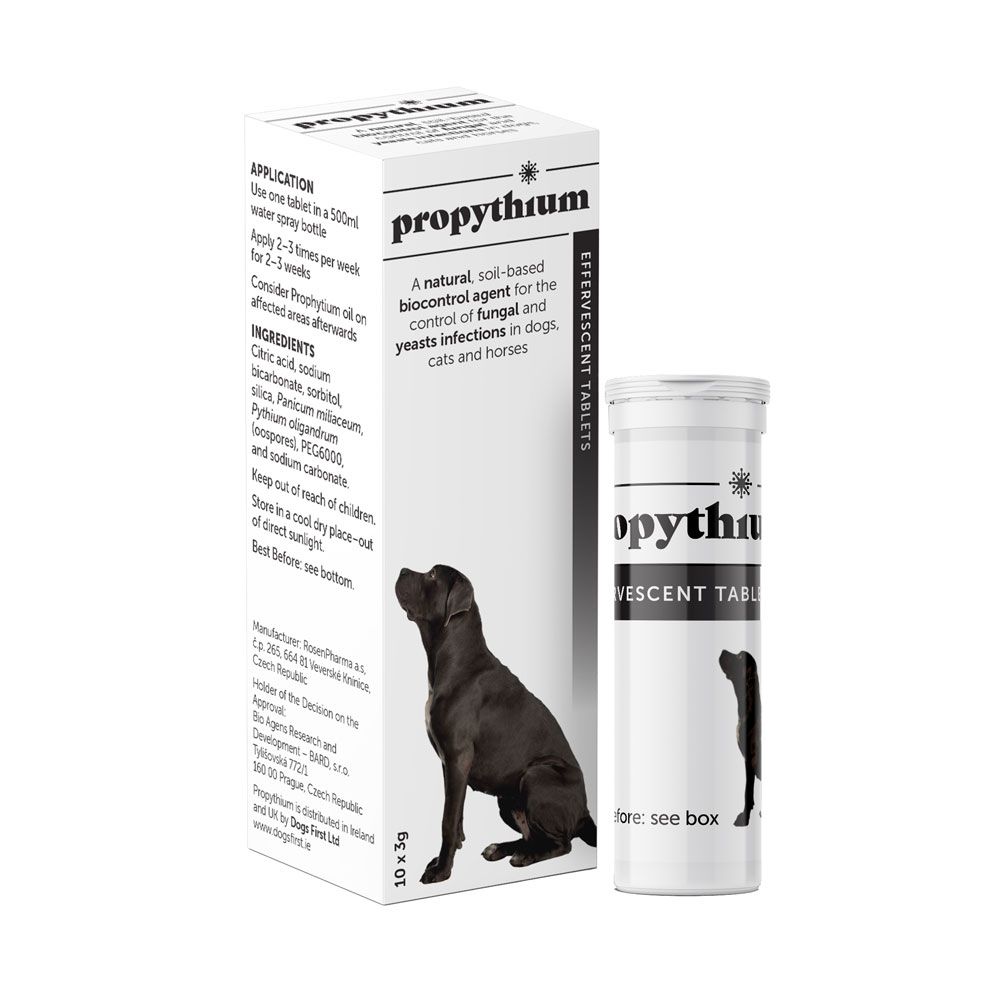
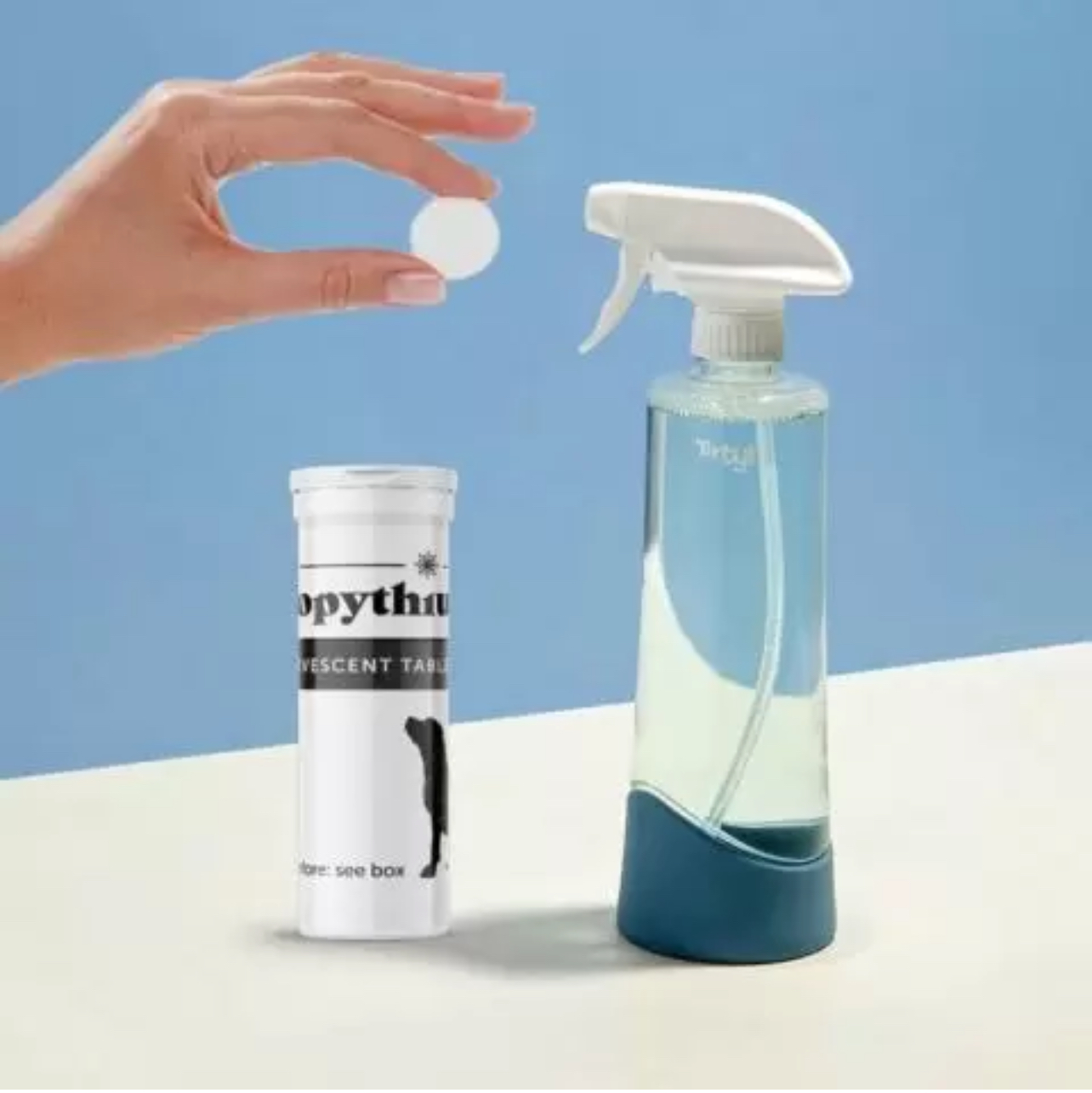
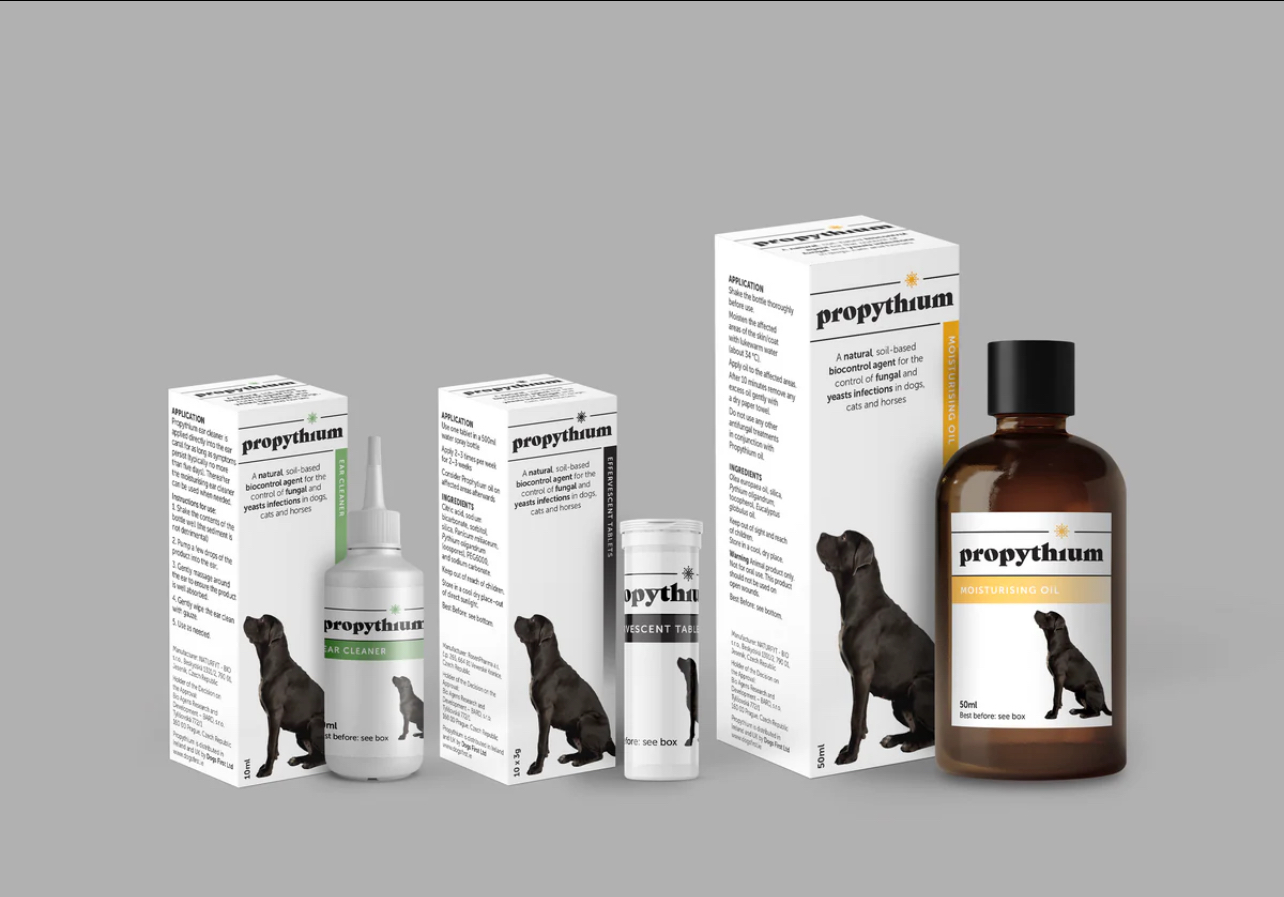
Description
How Propyhtium works
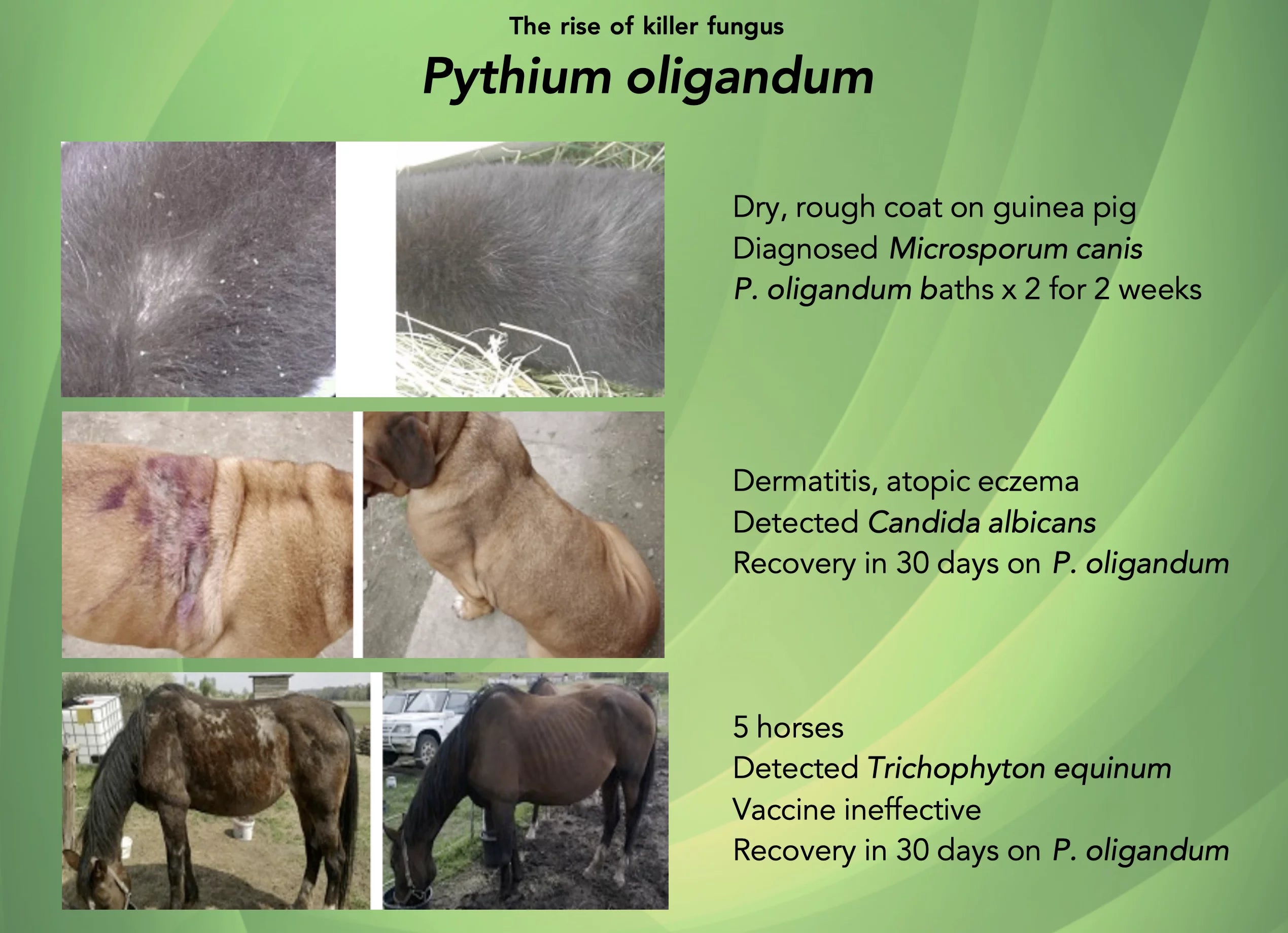
Propythium contains an incredible microscopic, non-pathogenic (doesn’t harm plants or animals) algae-like organism that normally lives in the soil. There are over 50 species of it so far discovered but among the most useful are those discovered around the roots of many plants around the world, in particular Pythium oligandrum.
It works via mycoparasitism. In essence, it consumes other fungi for survival. It attacks those organisms, extracting nutrients such as nitrogen, carbon, and nutrients for reproduction, and killing the organism in the process. It then creates zoospores that actively seek out more of that fungi and it’s spores.
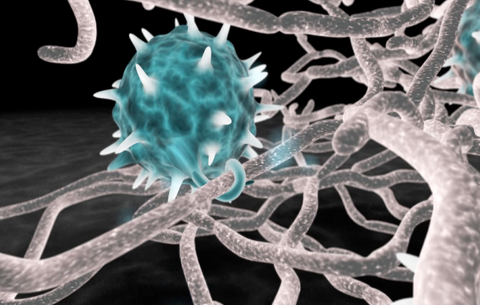
P. oligandum is also antibacterial. It secretes enzymes that curb bacterial growth in the area so it is not disturbed while it’s doing its thing. Better still, studies show that despite a reduction in any pathogenic bacteria present, it does not induce significant shifts in the host bacterial flora in the process (Vallance et al. 2009 & 2012). Best of all, once resources (any yeast / fungi present) are depleted, P. oligandrum encapsulates and soon leaves its host to its natural environment, at which point all normal microflora returns activity can return to the area.
How do I know if this is a yeast issue?
The problem with fungal skin infections with symptoms such as irritated, itchy skin and ears is that they can look like bacterial infections to the untrained eye. Itchy feet, a class place for yeast issues to develop, are just as often caused by food intolerances or upset gut flora.
The only definitive way to diagnose yeast infections in dogs is to consult a veterinarian. If you bring your pet to the clinic, the vet will confirm the infection through a method called cytology or cytopathology. By taking a hair or skin sample from the affected area of your dog, the vet will review it under a microscope to determine if it is a yeast infection or not.
If the infected area is inside the ear canals, then the vet will do further tests to determine if it’s only a yeast infection or if it’s related to other causes of dog ear infections as well.
Once you know or suspect that your dog has a yeast infection pick up the appropriate Pythium product, here.


Reviews
There are no reviews yet.