Close
Dragalevtsi, Cherni Vrah №228A, 1415 Sofia
0888356073 bark@heartyapetite.com

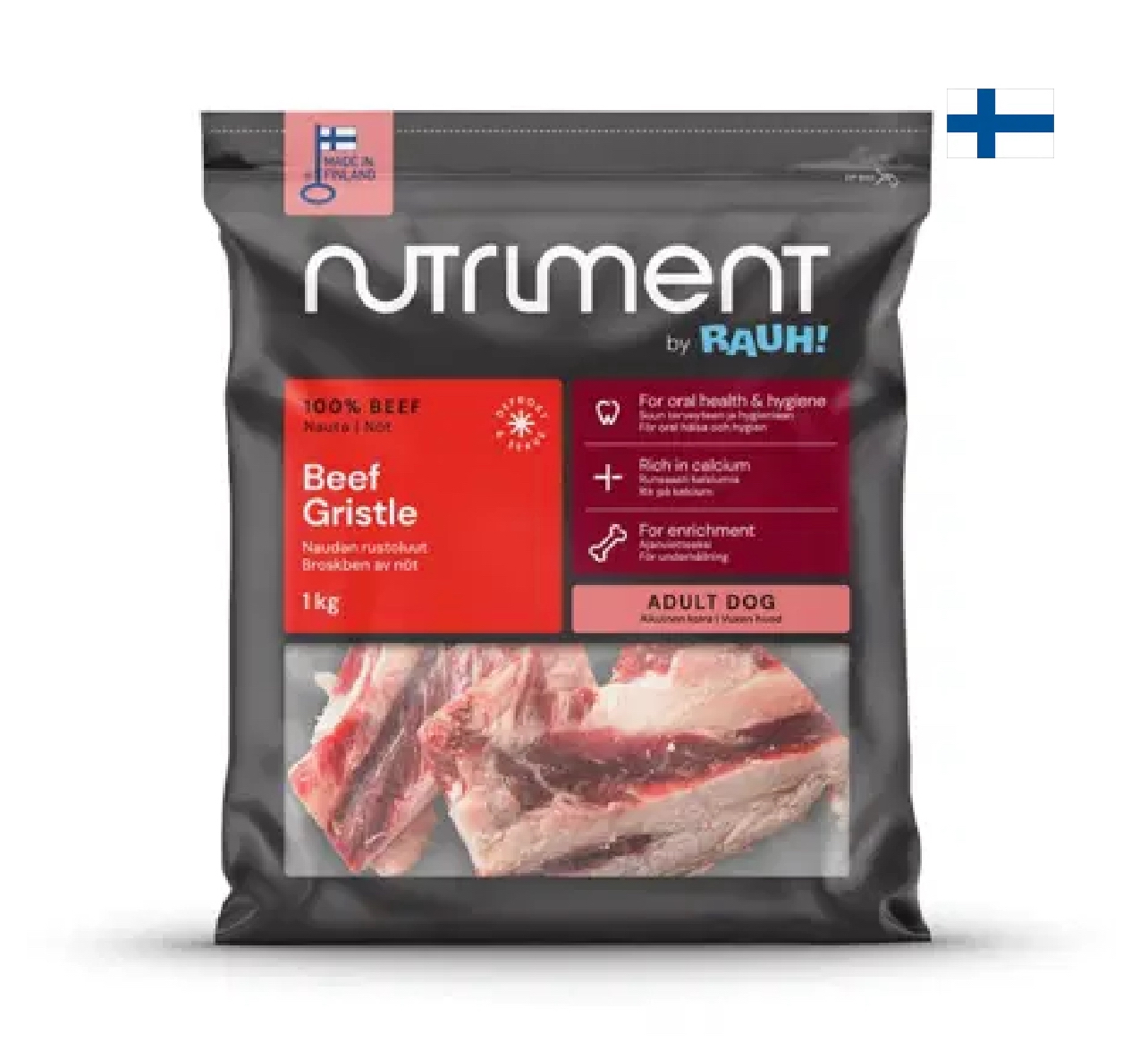
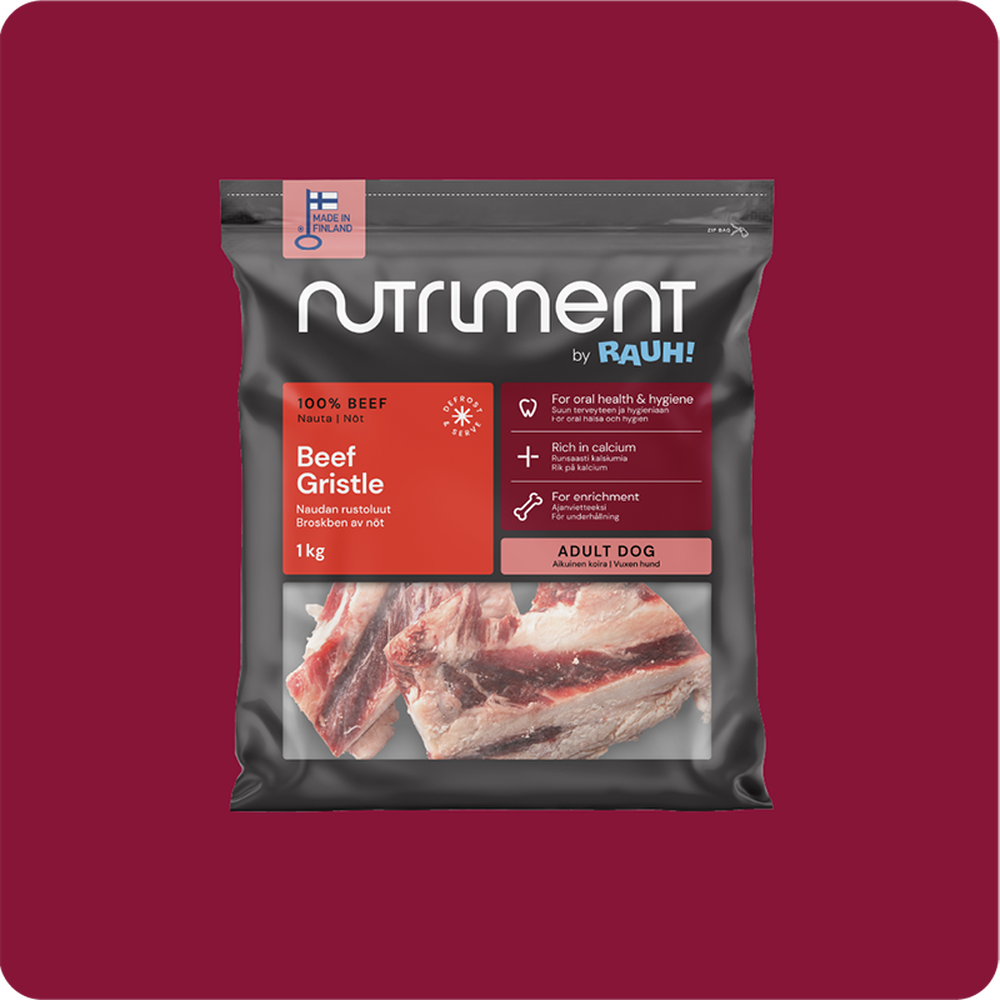
Nutriment by RAUH! Beef cartilage “MOON BONES” 1 kg.

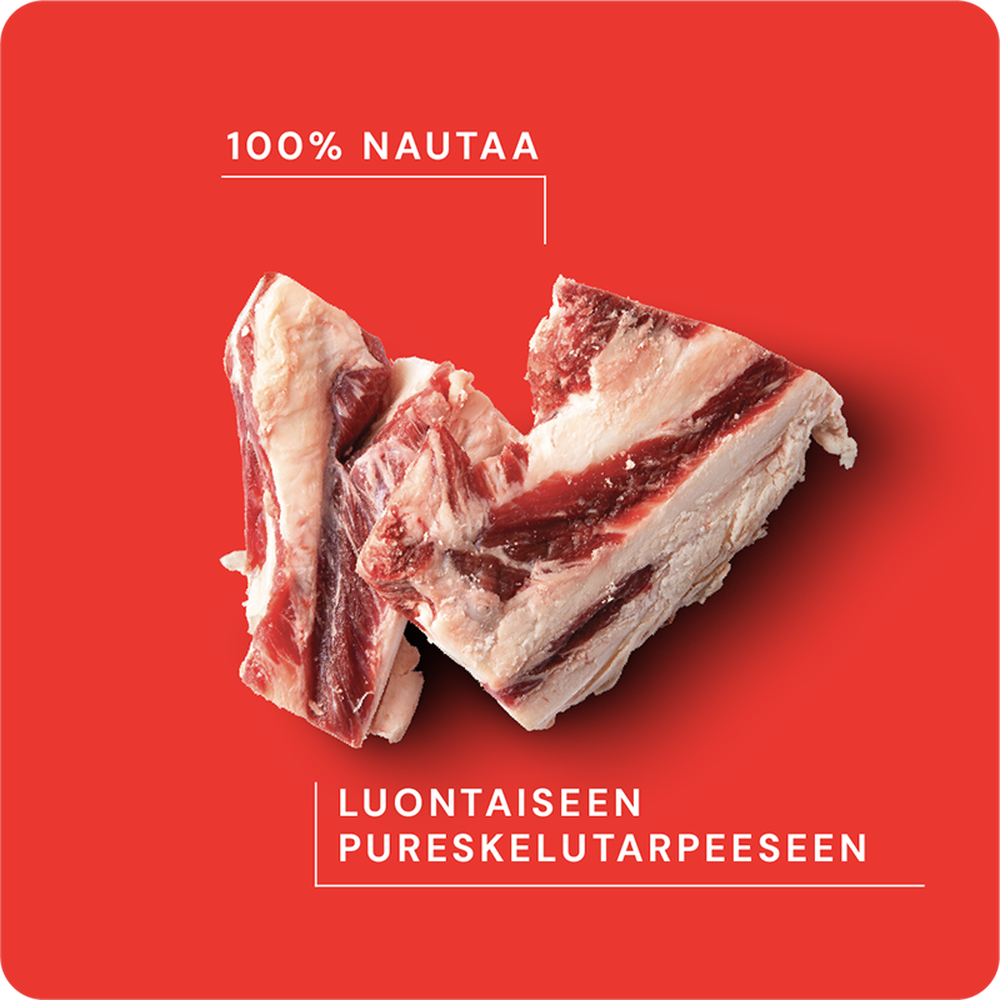
Nutriment’s raw beef cartilage (moon) bones are the ultimate raw dog treat.

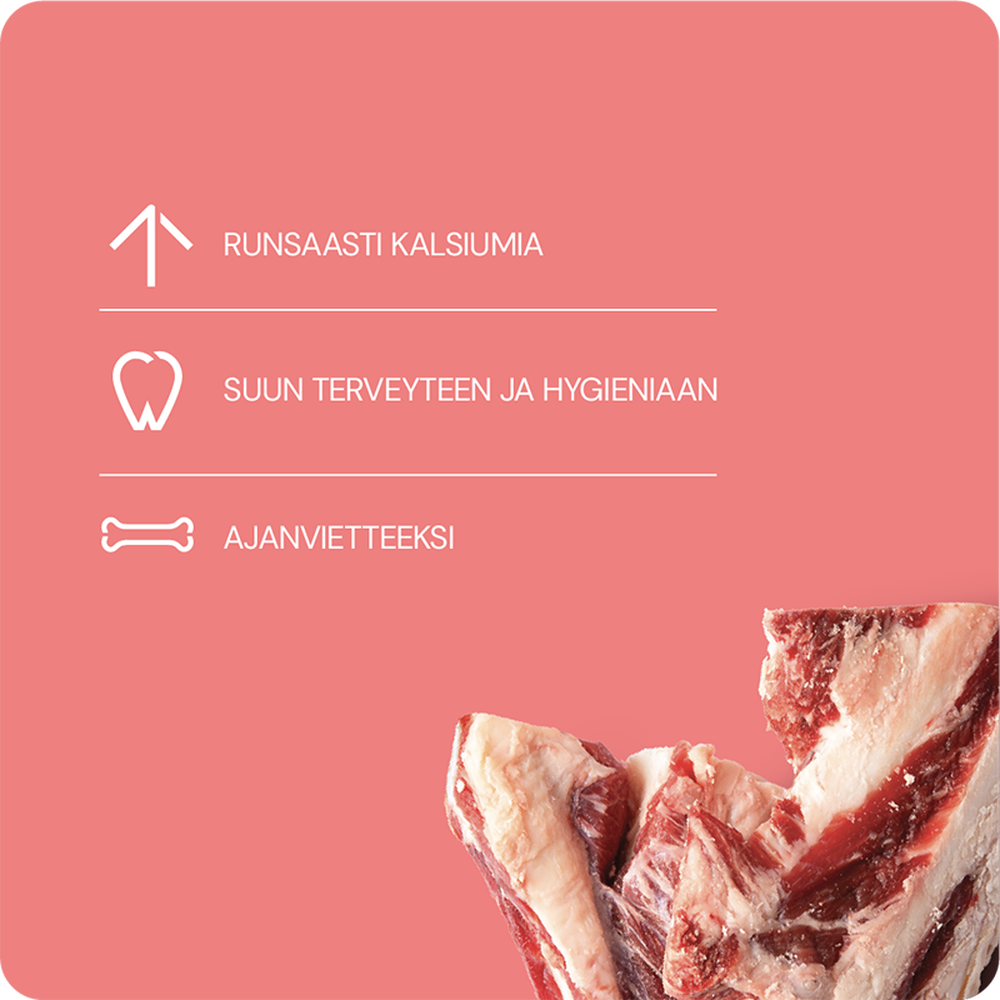
High in protein, low in fat and packed with key nutrients, including glucosamine and chondroitin they are great-tasting and easy to chew. Perfect as an occasional treat or reward.

The moon bones are 100% human-grade quality Finnish beef, free from fillers, additives and preservatives, which means they are biologically appropriate and easily digestible for optimal health and wellbeing.

The actions of gnawing, chewing and tearing meat from the bone are all fantastic ways of supporting optimal oral health and hygiene helping to remove plaque and tartar, leading to clean teeth and a fresh breath, while releasing endorphins.

Moon bones are ideal for small, medium and large dogs and they are meant to be consumed in their entirety. The iced cartilage is also a cooling treat in hot weather.

In Finland, where we source most of our raw food from, including raw bones, a zero-tolerance policy for raw pet food products ensures that the product has not tested positive for pathogens such as E. Coli or Salmonella.

This is a feed supplement to be fed as part of a balanced diet. 

We always advice that you should supervise your pet at all times with any treat or bone and offer them a fresh supply of drinking water.

 Store frozen and serve raw.

This product comes in 1kg. bags.

This product is delivered to all zones. Read our delivery and returns page for more information.

This product is currently out of stock and unavailable.

Spread the love

Description

Moon bones are 100% beef cartilage meaning they are a very chewy, 100% natural raw treat with no additives or preservatives. Calcium-rich cartilage bones are a great booster for the immune system and anti-inflammatory, due to the high Omega 3 fats content, helping dogs with joint and mobility issues. Moon bones are also great for keeping skin and coat healthy. Suitable for dogs of all breads and ages.

Why should you offer your dog raw meaty bones (RMB’s)?

Bones are an excellent addition to our pet’s diet, and here’s why:

  • They’re an excellent source of calcium, phosphorus, chondroitin, glucosamine and collagen.
  • They can help with firmer stool.
  • They can help maintain cleaner teeth and better oral health.
  • Weight management – Great for all dogs due to the low fat content
  • Teething – Great for puppies when they need relief
  • They offer mental and physical enrichment for an overall happier (and less bored) pet.


Note: If the dog is not used to eating cartilage and bone material, only offer a small amount at a time. Dogs with sensitive stomachs and first-timers can get stomach upset from a large dose of cartilage. Remember to supervise your dog while it is eating bone, so that it does not swallow large pieces at a time, and keep fresh water available.

NUTRIMENT is:


  • The UK’s leading and award winning raw pet food manufacturer
  • A species-appropriate diet that does not contain any grains, refined carbohydrates, or high-starch ingredients
  • Human-grade quality ingredients
  • Expertly designed recipes by in-house nutritionists, with consultation from industry professionals and veterinary partners
  • Recipes contain functional foods and supportive herbs
  • Fortified with antioxidants
  • Recyclable packaging
  • Produced to the highest ethical, quality and safety standards

Have a question about raw feeding? Check out our FAQ’s. If you can’t find what you’re looking for or have any further concerns please do not hesitate to get in touch with us.

Composition

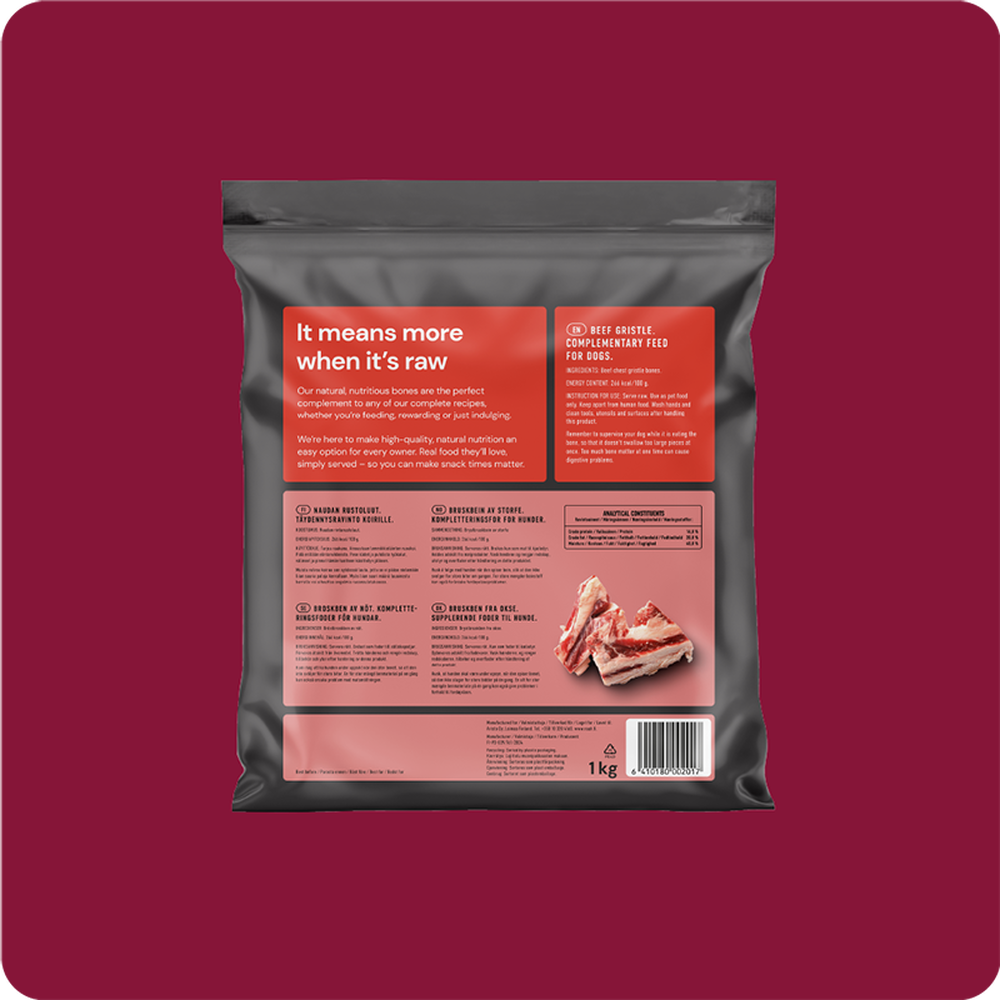
100% Finnish Beef Cartilage

Analytical info

Typical analysis as fed

  • Protein 16%,
  • Fat content 20%,
  • Moisture 40%

Useful Information

  • Moisture – the natural presence found in the ingredients
  • Protein – are biological molecules consisting of one or more chains of amino acids
  • Fat – includes all fats: saturated fats, trans fats, and the unsaturated fats, polyunsaturated and monounsaturated
  • Ash (inorganic matter) – is the inorganic residue remaining after the water and organic matter have been removed
  • Fibre – the term given to the indigestible part of food

Instructions for use

  • Store frozen and serve raw. For pet food only.
  • Keep away from food. Wash hands and clean tools, equipment and surfaces after handling this product. Remember to supervise your dog while eating bones, so that it does not swallow large pieces.
  • Consuming too much bone material can sometimes cause problems with digestion.
  • Bones should be fed intermittently as a compliment to your pet’s regular diet. Feeding frequency will depend on your pet’s size, age, and activity level.
  • While edible (raw meaty) bones can occasionally be fed in place of a meal, they should not replace your pet’s balanced meal every day.
  • Recreational bones should be given 2-5 times a week, depending on the requirements of each individual dog.

Is it safe to feed your dog raw bones?

The topic of feeding meaty bones tends to drum up some controversy. 

Raw bones for dogs are essential because they support digestion, clean teeth, provide mental stimulation, strengthen the jaw and mouth, ease anxiety, and provide essential nutrients like calcium. In general, a domesticated dog’s diet should include about 8-12% edible bone; you can also feed recreational bones 1-2 times a week.

Below we discuss the importance of raw bones, the difference between recreational and edible bones, and safety precautions.

What are raw bones for dogs?

There are two main categories of raw bones (and each one serves a distinct purpose):

  1. Edible bones – these are raw, uncooked pieces of meat, bone, tissue, and cartilage that carnivorous dogs eat to meet the nutritional requirement for bone content. These cuts of meat come from animals like chicken, duck, rabbit, goose, turkey, or pork.

Edible bones, also known as raw meaty bones (RMBs), help raw feeders meet dietary requirements for phosphorous, calcium, and other minerals.

Raw meaty bones (RMBs) are safe to feed as long as they meet certain safety parameters:

  • Meaty bones should be purchased from a reliable source with safe handling practices in place and that regularly tests their products for harmful pathogens. Use only RMBs sold specifically for pet consumption. In Finland, where we source our raw meaty bones from, a zero-tolerance policy for raw pet food products ensures that the product has not tested positive for pathogens such as E. Coli or Salmonella. Giving RMBs from a grocery store can not guarantee the same and your pet could be exposed to potential risk.
  • Choose the appropriate size/type of bone for your pet. Small RMB’s like chicken necks are perfect for small dogs and cats, whereas turkey and duck necks are better suited for medium to large dogs. As a general rule, it is appropriate to feed a bone the size of your dog’s head. Most dogs, when fed an appropriate size bone, will chew the bone well before swallowing. However, if your dog is a “gulper” or is likely to try and swallow large things without chewing, a RMB may not be an ideal choice for your dog.
  • As with all toys and chews, always monitor your dog when feeding bones. Although dogs usually know what to do with a bone, it is important to ensure they are not going to swallow it whole.
  1. Recreational bones – these are raw, uncooked bones meant to be chewed (but not eaten whole). They are typically filled with marrow and covered in a small amount of meat, fat and tissue. Dogs that eat raw or kibble can chew on them as a supplement.

Recreational bones come from larger animals like bison, cow, elk, moose, deer, or buffalo. They are typically sourced them from larger, harder areas like the knuckle, femur, shank, rib, tibia, or hip.


The benefits of raw bones for dogs

Bones are tremendously important for dogs, both as a part of their diet and as a way to provide mental stimulation.

Benefits of edible bones

  • Promote healthy digestion. Bone content, made from tissues and fibers, binds to food in the digestive tract to improve digestion and prevent runny stools.

  • Provide essential minerals. When dogs eat raw meaty bones, they get minerals like calcium and phosphorous from them. These essential minerals are vital for teeth and bone strength and support organ and tissue function throughout the body.

Benefits of all bones

  • Natural release for carnivores. Carnivores naturally desire to chew, so gnawing provides crucial mental stimulation. They enjoy the challenge of ripping and tearing (it’s like a fun puzzle); this stimulation releases endorphins and keeps them from chewing on other unwanted objects when bored.  

  • Exercises the jaw and mouth. Your dog can keep their mouth, jaw, neck, and shoulders strong by chewing on an edible or recreational bone.

  • Cleans teeth by removing tartar and plaque. Bones are the most natural way to keep your dog’s teeth clean and fight the development of gum disease. Gnawing and chewing remove plaque and tartar buildup, keeping the teeth and gums clean.  

  • Relieves pain for teething puppies. Puppies experience painful teething when growing their adult teeth. During this time, give them a bone to chew on to relieve pain and reduce anxiety.

  • A healthy alternative to rawhide. Many pet parents are aware of the dangers of rawhide—a difficult-to-digest chew made from chemicals and leather byproducts that can cause blockages or choking. Recreational and raw meaty bones are a natural, safer alternative to entertain dogs and clean their teeth.


 Should raw bones be thawed first? 

No. It is not necessary to thaw your raw bones before feeding. However, some dogs and most cats prefer to have their bone thawed to soften the frozen tissue prior to feeding. If you must thaw the bone, leave it in the fridge for a couple of hours, or submerge it in cool water inside a plastic baggie to thaw it faster.

Is it a good idea to cook raw bones?

No. Never feed a cooked bone. Boiled, braised, roasted, smoked, dehydrated, or any other cooked bones are dangerous. These bones are dry and brittle because the very act of cooking bones changes the molecular structure of the bone and removes all moisture which causes them to splinter. These bones should never be fed.

The benefits of a raw food diet for dogs and cats

The Benefits of a Raw Food Diet

  • Healthy skin and coat – Many pets are allergic to grains, which can lead to pathologic skin conditions. A raw natural diet provides allergy relief, reduction and/or eradication.
  • Cleaner, whiter and stronger teeth – Many dry foods leave a starchy coating on the teeth, which promotes plaque. Feeding a raw diet maintains healthier teeth and gums as well as fresher breath.
  • Stools – Harder, smaller, less smelly stools that are easier to scoop up from the little box or pick up in the garden. Less smelly farts.
  • Decreased litter box odor – Many pet foods include protein that is indigestible for cats (and dogs), which leads to an undesirable odor at the litter box.
  • Natural weight control – Cats and dogs are healthiest on a high protein, low carbohydrate diet.
  • A stronger immune system, more energy and stamina – Pet’s digestive systems are designed to ingest raw meat and are healthiest eating what Nature intended.

Some Changes to Expect:

  • After a full transition to a raw diet, pets will typically drink less water. In the wild they get most of their water from their prey. A raw meat diet naturally contains more moisture than dry or canned food, so your cat or dog may be less thirsty, yet be getting plenty of water.
  • There will likely be a change in the size, odour, and color of the pet’s faeces. They will stink less! They may also be somewhat harder and dryer and be colored shades of dark and light brown. Much of the crude protein and crude fiber in most commercial dry and canned pet foods is not digestible and hence contributes to a higher stool volume. Along with the assurance of knowing that all the food your beloved pooch or feline is ingesting, is actually being digested, the less stinky poops are certainly a nice bonus!
  • Overweight Cats and Dogs tend to lose weight. However, weight loss must be closely monitored. Rapid weight loss can lead to serious health problems. Make sure you transition your pet to a raw diet gradually and seek professional advice, especially when transitioning an animal with chronic health issues.
  • Lethargic Pets begin feeling more energised, start to play more and may even exhibit hunting behaviour. Dogs and cats are healthiest when fed a high protein, low carbohydrate diet. When they aren’t experiencing the metabolic highs and lows associated with high carbohydrate intake from grains, typically found in kibble, they will use protein as their energy source, just as they were designed by nature to do. This tends to provide more sustained energy throughout the day and reduces the need to “graze”.
  • Allergies tend to clear up, which may be a result of less exposure to potential food allergens. Many pets have allergies to grains that can range from very mild to severe. These allergies can manifest on the skin, can affect digestion, and also contribute to runny eyes & nose and itchy ears or paws. The reduction in allergic symptoms may be a result of not only a reduced exposure to allergens from a higher food quality, but also from a stronger immune system. The more nutritious the food, the stronger the immune system will be.
  • Fur becomes incredibly soft and shedding is reduced. This is typically one of the initial benefits observed after changing to a raw diet and is a direct result of better nutrition. The humans in the household also stand to gain a lot as well, when switching their pets to raw, as they are less likely to suffer allergic reactions due to the reduction of dander.

Storage & Expiry Date

Storage:

  1. Keep frozen at below –18 °C until ready to use. Thaw in a sealed container for two hours, in the fridge overnight or in warm water. Once fully defrosted please serve the product within 24 hours.
  2. Normal hygiene rules apply for preparing and handling fresh/raw ingredients such as keeping raw meat separate from other foods. Washing working utensils, hands, and any other items that touch or contact raw meat or poultry.
  3. Refrigerate leftovers immediately or discard. After opening use within 1-2 days.

Expiry Date: 12 months after production date

Reviews

There are no reviews yet.

Be the first to review “Nutriment by RAUH! Beef cartilage “MOON BONES” 1 kg.”

Your email address will not be published. Required fields are marked *

You may also like…

error: Content is protected !!